


29 Jan Dog Socialization: Why Puppyhood Matters Most
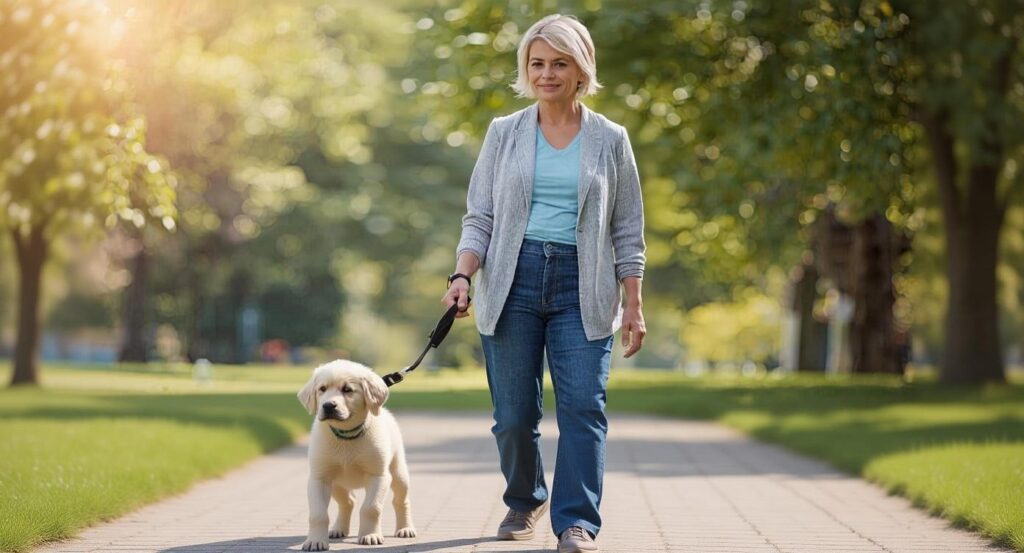
A socially well-adjusted dog doesn’t happen by accident. Proper dog socialization is the result of intentional, thoughtful experiences—most importantly during puppyhood. Those early weeks and months shape how a dog sees the world, responds to stress, and interacts with people, dogs, and new environments for the rest of their life. While dogs can certainly learn and improve at any age, puppyhood is the golden window where social skills are most easily and effectively built.
What does “well-socialized” really mean?
A well-socialized dog isn’t necessarily the life of the party. Instead, it’s a dog that can move through the world calmly and confidently. They can handle new people without panic or overexcitement, pass other dogs without melting down, recover quickly from surprises, and adapt to changes in routine. These dogs feel safe—and that sense of safety is the foundation for good behavior.
The critical socialization window
Puppies go through a critical socialization period roughly between 3 and 16 weeks of age. During this time, their brains are especially open to new experiences. Positive exposure to the world during this window teaches puppies what is normal and non-threatening. Miss this phase, or handle it poorly, and the dog may struggle with fear, reactivity, or anxiety later on.
Socialization is often misunderstood as “meeting everyone and everything,” but quality matters far more than quantity. True socialization means positive, controlled exposure to a wide variety of sights, sounds, surfaces, people, and dogs—without overwhelming the puppy.
What effective puppy socialization looks like
Healthy socialization includes:
- Meeting different types of people (ages, sizes, appearances, mobility aids)
- Calm exposure to friendly, well-mannered dogs
- Experiencing everyday sounds (traffic, vacuums, doorbells)
- Walking on different surfaces (grass, concrete, gravel, slick floors)
- Learning to be handled gently (paws, ears, mouth)
Equally important is teaching puppies how to opt out. A puppy should never be forced to interact. Allowing them to observe from a safe distance and approach at their own pace builds confidence and trust.
Why puppyhood sets the tone for life
Early experiences create emotional templates. A puppy who learns that new things are safe and predictable is far more likely to grow into an adult dog who responds with curiosity rather than fear. Conversely, lack of early socialization—or overwhelming experiences—can lead to defensive behaviors that are much harder to change later.
That doesn’t mean adult dogs are hopeless; it simply means the work takes more time, structure, and patience. Puppyhood is the easiest, most efficient time to get it right.
The role of guidance and training
Structured puppy classes and professional guidance can make a huge difference. Good programs prioritize emotional safety, controlled play, and skill-building—not chaos or forced interaction. Puppies learn how to disengage, focus around distractions, and navigate social situations appropriately. They learn the give and take of how to “speak dog.”
You may be aware that Mutt Magic puppy classes are not held during the initial socialization period. This is mainly because puppies cannot be fully vaccinated at that time. We need to provide as much safety as possible in the group environment. This does mean that the initial socialization needs to be worked on before group classes – which should be considered a beneficial and important supplement. Work on the socialization techniques above in a controlled manner before, during, and outside of class time.
In the end…
Creating a socially well-adjusted dog is about investing early. Thoughtful socialization in puppyhood builds resilience, confidence, and lifelong stability. When we take the time to do it right at the beginning, we’re not just training puppies—we’re setting dogs up for a lifetime of success. 🐾
Need to sign up for puppy classes? Find them, here!
No Comments